
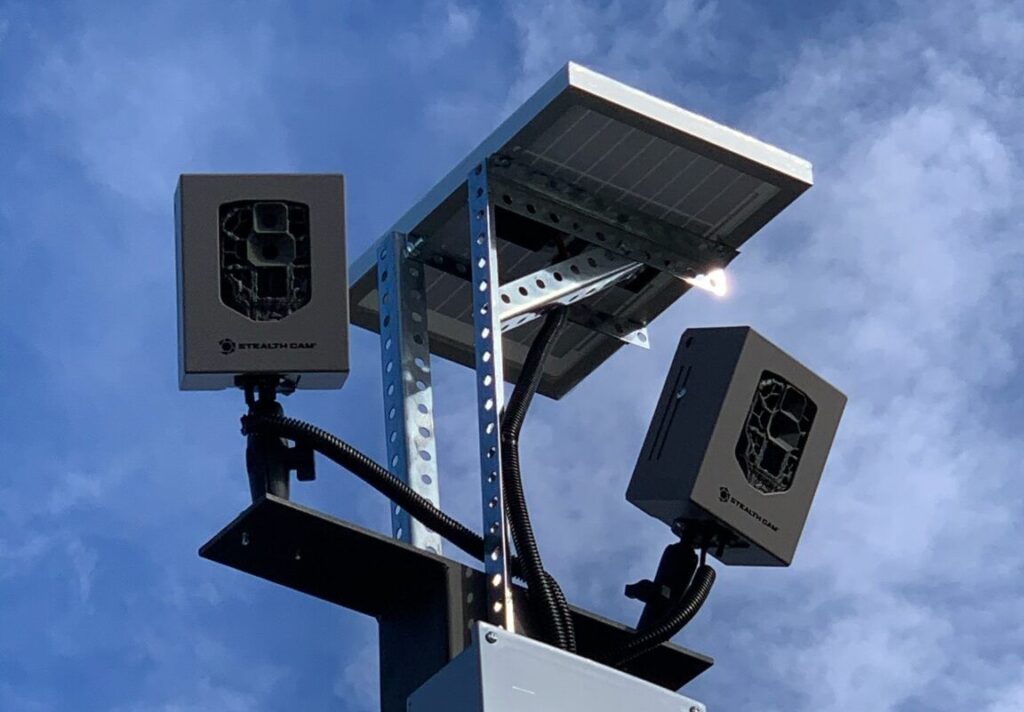
In an era characterized by rapid technological advancements, security cameras have become ubiquitous in our communities. With the ability to monitor behaviors, prevent crime, and enhance safety, they have gained popularity among businesses and homeowners alike. This blog explores the multifaceted role of security cameras in not only crime prevention but also in aiding the prosecution of offenders.
The Rise of Security Cameras
The proliferation of security cameras can be traced to advancements in digital technology and a growing concern for public safety. According to recent statistics, the global market for video surveillance & cameras is projected to exceed $70 billion by 2026. This growth reflects an increasing reliance on security cameras as a primary tool for crime prevention, monitoring, and gathering evidence.
Moreover, public spaces such as parks, streets, and malls have increasingly adopted surveillance systems with the belief that the visibility of these cameras fosters a safer environment. In New York City, where over 70,000 security cameras are estimated to be in operation, public spaces are under constant watch, ostensibly to deter criminal activity.
Crime Deterrent
The mere presence of security cameras serves as a significant deterrent to criminal activity. Studies have indicated that locations equipped with visible surveillance systems are less likely to be targeted by criminals. When potential offenders know they are being watched, they may think twice before committing burglary, vandalism, or other illicit acts. This phenomenon is particularly pronounced in areas like parking lots, public parks, and commercial establishments where high foot traffic is common.
Moreover, the effectiveness of security cameras as a deterrent is often compounded by the additional layers of security that frequently accompany their installation, such as increased lighting and patrolling security personnel. This combination enhances the overall perception of safety in a given area, encouraging community members to engage more freely in public spaces.
Evidence Collection and Conviction Rates
One of the most compelling roles of security cameras lies in their ability to provide concrete evidence during criminal investigations. High-resolution footage can serve as critical evidence in establishing timelines, identifying suspects, and verifying alibis. Law enforcement agencies often rely on surveillance footage to piece together the events leading up to a crime, offering a visual narrative that can be pivotal in building a case.
Footage from security cameras has been used effectively in various criminal cases, ranging from theft and assault to serious offenses like homicide. Moreover, the provision of this visual evidence significantly enhances the credibility of witness accounts, which can sometimes be unreliable or biased. In court, video evidence is often considered robust and persuasive, as it offers an objective portrayal of events, free from human interpretation.
A notable example is the Boston Marathon bombing in 2013, where security footage from various locations helped authorities identify the suspects and compile a timeline of their actions.
Enhancing Community Relations
The implementation of security cameras can foster greater cooperation between law enforcement and the communities they serve. By installing cameras in strategic public areas and involving community members in discussions about their usage, police departments can cultivate a sense of shared responsibility for public safety. This collaborative approach can enhance trust, as residents see their concerns being addressed while witnessing a tangible commitment to their safety.
Furthermore, many municipalities have initiated programs that encourage residents and businesses to share their private camera feeds with law enforcement. These initiatives not only serve as a force multiplier for police resources but also underscore the community’s role as an active participant in crime prevention. By leveraging existing infrastructure, law enforcement agencies can better combat crime without the prohibitive costs of expanding their own surveillance capabilities.
Conclusion
Security cameras play a pivotal role in modern crime prevention and prosecution strategies, serving as deterrents, tools for real-time monitoring, and sources of crucial evidence. By fostering partnerships between law enforcement and communities, and establishing clear guidelines regarding the use of surveillance, we can greatly enhance public safety. As technology continues to evolve, the role of security cameras in our societies will undoubtedly expand, shaping the future of crime prevention and prosecution in profound ways.
As technology rapidly develops, adopting modern methods for protecting homes, businesses, and public spaces becomes more crucial. At Advanced Technology, our team of highly-trained professionals is committed to providing outstanding security camera installation in Las Vegas, NV, explicitly tailored to your individual needs, be that protecting a residence from an intruder, monitoring business premises remotely, or strengthening public security measures.
Contact us now to arrange a free consultation. Safeguard your property with confidence, knowing we’re working alongside you on improving its protection! Call Us today at (702) 633-7360.